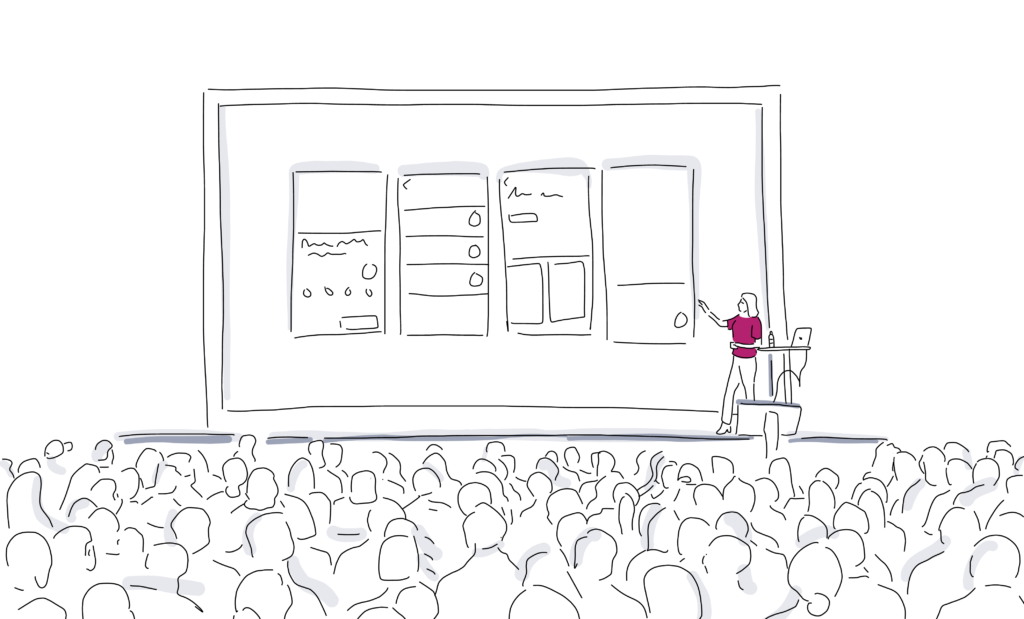
 speaker engaging with audience during event presentation on stage" width="1024" height="619" />
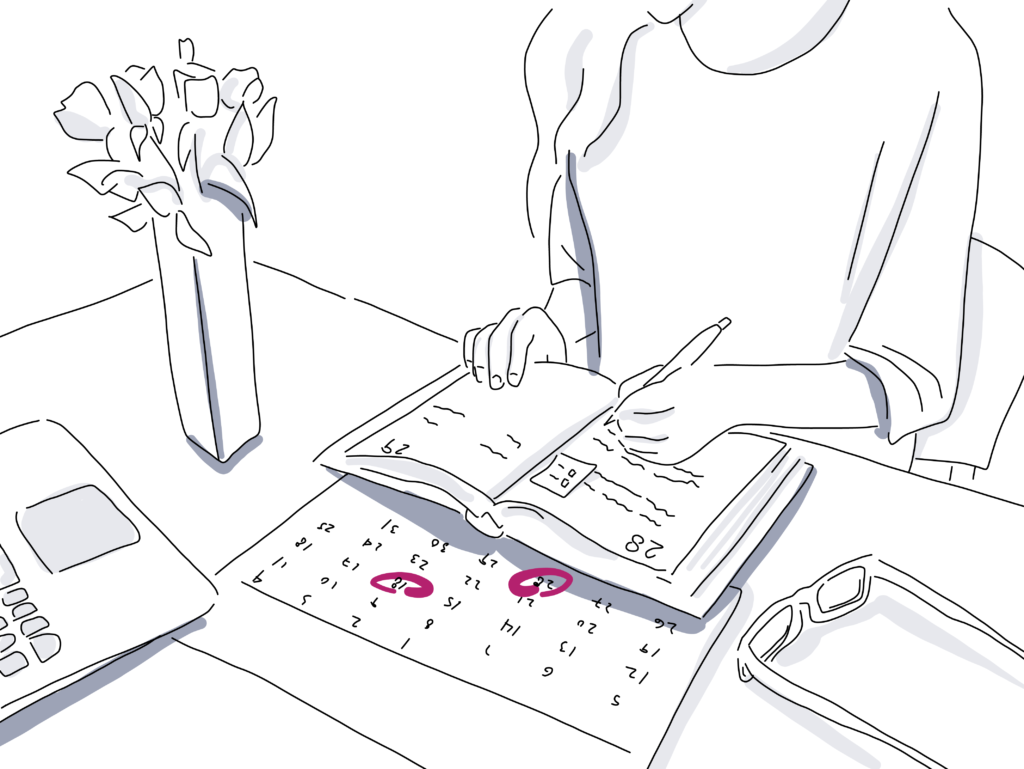
When you’re in the midst of planning an event, all the to-dos can get overwhelming. Sure, you have a goal and vision for the event, and maybe even a venue and date. But after that, you’re not sure where to start .
This is where an event planning guide comes in handy! Our guide shows you how to plan an event smoothly, without forgetting anything before, during or after the big day.
A big chunk of the planning happens before the event. Here are some event planning guidelines to keep in mind when it comes to your venue, entertainment, catering, and anything else you need to help put on a great event.
Get Started Free

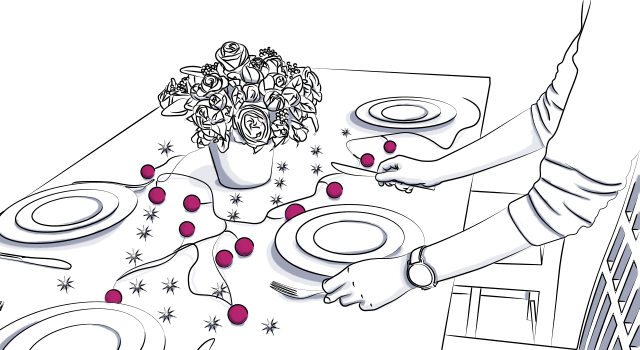
Depending on the type of event you’re hosting, there may be other elements to plan before the event, such as:
Putting these pieces together is often the hardest thing about event planning. Once they’ve been put in place, create a timeline for the day of the event and make sure that each vendor has a copy. This helps them know when they are allowed to begin loading in their equipment, when they need to be ready, and when they can begin breaking down.
Get Started Free
It’s the day of your event! It’s go-time, and it’s never been more important to have your event planning guide handy to steer you toward success.
First, prepare yourself for the day ahead by:
Second, all good event planners bring a day-of emergency kit to every event. Your kit might include:
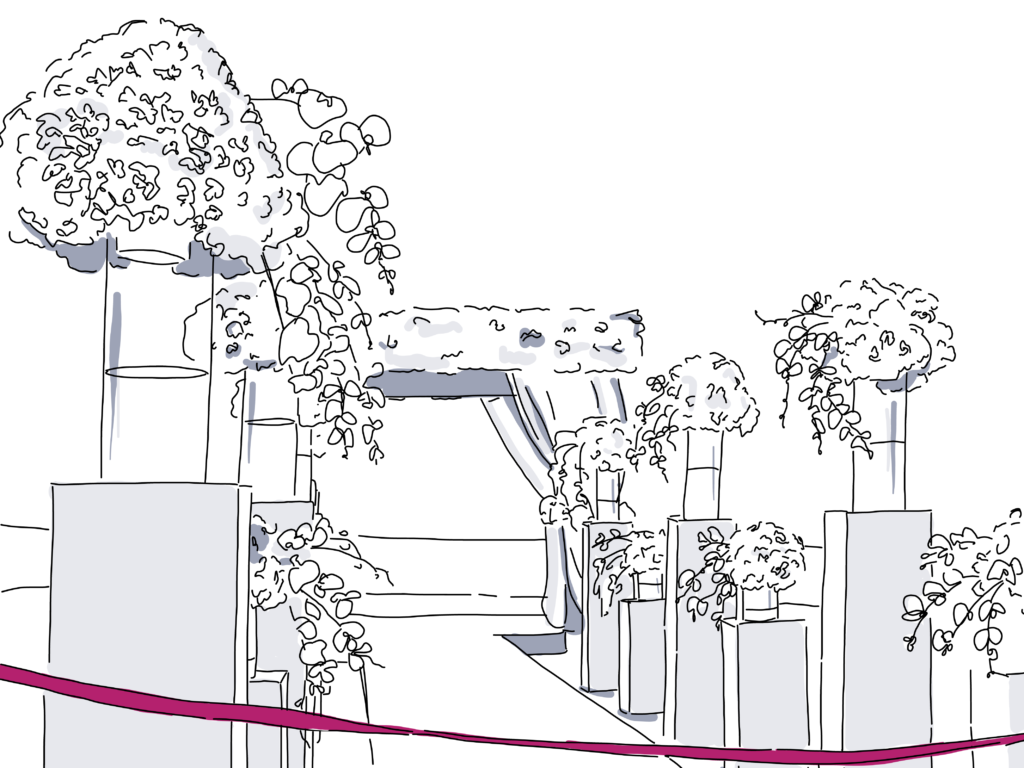
When you actually arrive at the event venue, here are some best practices for smooth event preparation:
Even though the event is over, your work as an event planner isn’t done quite yet. At this point, it’s time to tie up any loose ends that linger after the event has ended.
Contact your client for a review of how they think the event went. It’s always great to get feedback, good or bad, to see what you can do to improve. Best case scenario: you can get a testimonial quote that you can post on your website for future clients!
If you are part of an event group, schedule a post-con with your team to discuss the event. Figure out what everyone did well and what you could improve on.
Contact all of your vendors to thank them for all of their hard work and to follow up with any comments they might have.
If there are any outstanding bills, make a schedule for when they are due and how you’re going to pay them.
Using an event planning guide can help you set deadlines for tasks, hold you and the team accountable, and remind you of what has been done and what is outstanding.
Get Started Now
Did we miss any essentials in our event planning guide? Join us on Facebook and let us know what we missed.
